


Supplement & Wellness Guides
Most people over 40 take supplements without knowing whether the form, dose, or timing actually matters. These guides are here to help.
Each article tackles a specific problem: poor sleep, low energy, bone health, gut health, or declining immunity. You’ll find what the research says, which supplement forms actually absorb, and whether something is worth taking in the first place.
Practical, evidence-based, written in plain English.
Fermented Foods and Gut Health: What the Research Actually Shows
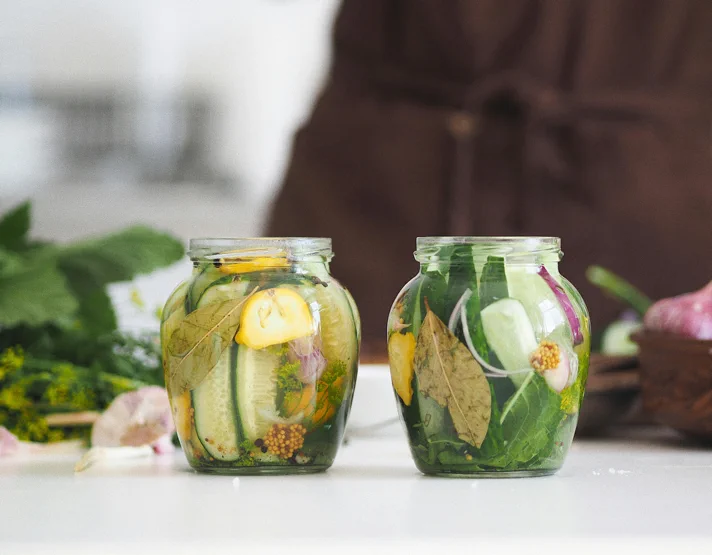
Fermented foods don’t just add beneficial bacteria — they change the gut environment itself. Here’s what the research actually shows about their benefits and how they compare to probiotic supplements.
Lactobacillus Plantarum: Benefits, Food Sources and Uses
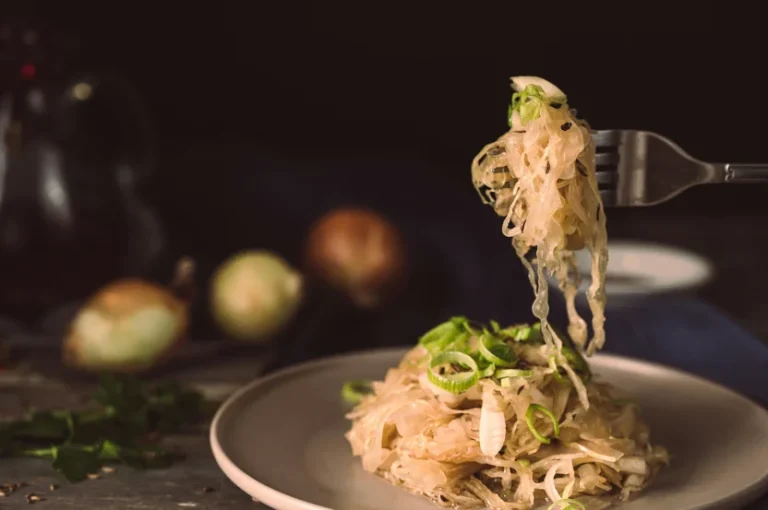
Lactobacillus plantarum is one of the most versatile probiotic strains, naturally found in fermented foods from kimchi to sourdough. Here’s what the research shows about its benefits and how to use it.
The Gut-Brain Axis: How Your Gut Affects Your Mood and Mental Health

Around 90% of the body’s serotonin is produced in the gut, not the brain. The connection between gut health and mental wellbeing is more direct than most people realise — here’s what the research shows.
Postbiotics: What They Are, What They Do, and Why They Matter
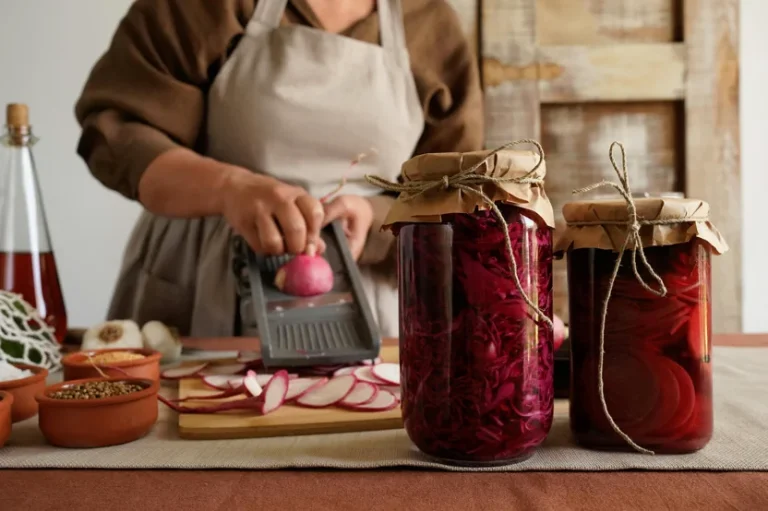
You’ve heard of probiotics and prebiotics. Postbiotics are less well known, but they may be the part of the equation that matters most for your gut lining and immune function.
Worst Foods for Gut Health: What to Limit and Why

Some foods consistently damage gut microbiome diversity and gut lining integrity. Here’s what the research identifies as the worst offenders — and what to eat instead.
Why Magnesium May Be Better Than Melatonin for Sleep

Melatonin is prescription-only in the UK and comes with well-documented side effects. Magnesium works differently — supporting natural sleep physiology rather than overriding it. Here’s what the evidence shows.
Vitamin D and Ageing: Harvard Study Reveals How This Essential Nutrient May Slow Cellular Ageing

Harvard research reveals vitamin D supplementation may slow cellular ageing by protecting telomeres. Essential reading for anyone concerned about healthy ageing.
Introducing Biome Bliss: A Naturally Fermented Supplement for Gut Health
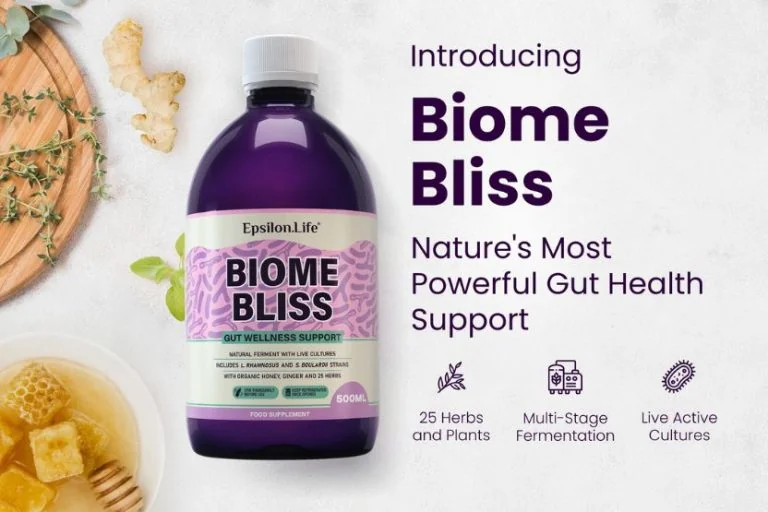
Biome Bliss is a naturally fermented liquid supplement, developed over more than three years. It is made with organic ingredients using patented technology, with no artificial additives.
Magnesium Side Effects: What to Expect and How to Manage Them

If you’ve started taking magnesium and your stomach isn’t happy about it, you’re not alone. Digestive side effects are the most common reason people stop taking magnesium supplements — and in most cases, they’re entirely avoidable. Here’s what causes them, which forms of magnesium are gentler, and when you should genuinely be concerned. Why Magnesium […]