


Sleep
Good quality sleep is crucial for good health and well-being.
This category will focus on articles that cover a range of topics related to sleep, such as tips for improving sleep quality, natural remedies for sleep anxiety, and ways to manage restless leg syndrome.
We’ll also explore the relationship between diet and sleep and provide tips for achieving good sleep hygiene.
From food supplements to health products, we only recommend those that are backed by science. Our blog is a great resource for people over 40 who want to stay healthy and supported throughout their golden years!
The Glymphatic System: How Your Brain Cleans Itself While You Sleep

The glymphatic system is your brain’s overnight waste-clearance network. Here is how it works, why deep sleep is central, and what supports it.
Why You Sleep Badly After Drinking (and Wake at 3am)

Alcohol helps you fall asleep but wrecks the second half of the night. Here is why you wake at 3am after drinking, and what helps.
Vitamin D and Sleep: Does It Actually Make a Difference?

Research has found vitamin D receptors in the brain areas that regulate sleep. Here’s what the evidence says about vitamin D, sleep quality, and timing.
Magnesium Glycinate for Sleep: Dosage, Timing and What the Research Says
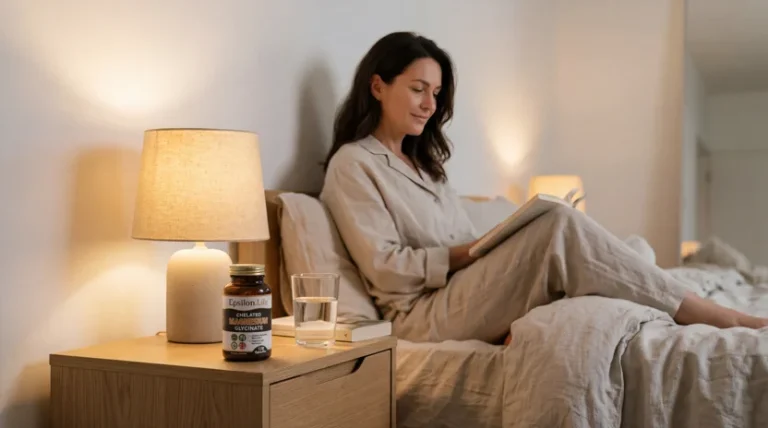
How much magnesium glycinate to take for sleep, when to take it, and what the research actually shows. Practical dosage guide for UK adults.
Why Magnesium May Be Better Than Melatonin for Sleep

Melatonin is prescription-only in the UK and comes with well-documented side effects. Magnesium works differently — supporting natural sleep physiology rather than overriding it. Here’s what the evidence shows.
How Magnesium Helps You Sleep: Forms, Evidence and What to Take

Does magnesium help you sleep? Yes. Here’s how it works, which form is best for sleep, what the research says, and how much to take. A research-backed guide for UK adults.
Magnesium for Women: Benefits, How Much You Need, and the Best Form to Take

Magnesium is involved in over 300 processes in the body, but women have specific reasons to pay attention to it. From menstrual pain and PMS to pregnancy, menopause, and bone health, here’s what the research says about magnesium for women, how much you actually need, and which form is worth taking.
Sleep Anxiety: Causes, Symptoms, and How to Get to Sleep

Sleep anxiety is the fear or worry about falling or staying asleep. It creates a vicious cycle: anxiety prevents sleep, and poor sleep worsens anxiety. Here’s what causes it, how to recognise it, and what actually helps, from evidence-backed sleep hygiene to the specific form of magnesium that targets the GABA system your brain uses to wind down.
Our Guide To Restless Legs Syndrome

Restless legs syndrome affects around 5–10% of UK adults and becomes more common after 40. Here’s a grounded overview of causes, treatments, and the evidence on magnesium, vitamin D, and lifestyle changes.