


Nutrients and Supplements
Epsilon Life”s blog is an online resource for people over 40 who want to stay healthy and vibrant. We offer information about the latest food supplements and health trends, all backed by science.
Our blog provides valuable insights and support to help you make the best decisions about your health.
Nutrients and supplements are vital in maintaining good health and preventing illnesses.
This category will focus on articles covering a range of topics related to nutrients and supplements, such as vitamin C’s benefits, magnesium’s role in leg cramps, and omega-3 supplements.
We’ll also explore the potential risks and side effects of supplements and provide tips for incorporating supplements into a healthy, balanced diet.
Elemental Magnesium: What It Means and How to Read Your Label
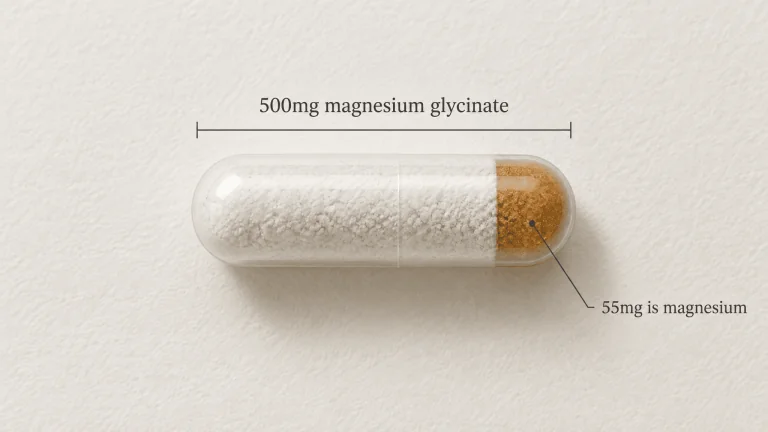
Elemental magnesium is the actual magnesium in a supplement, not the weight of the compound. How to read a UK label, how much each form contains, and how much you need.
Is Magnesium Glycinate Found in Food? What to Eat for Magnesium
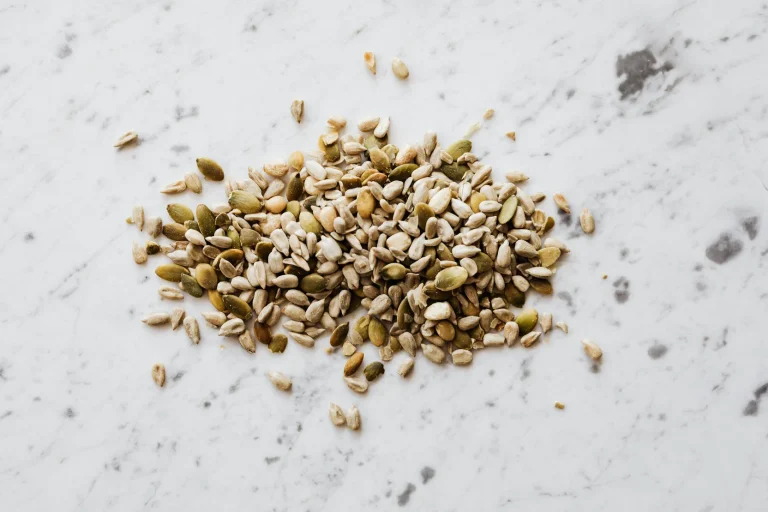
Magnesium glycinate is not found in food, it is a supplement form. Here is why, plus the foods highest in magnesium and how much you actually need.
Vitamin D Overdose: Symptoms, Safe Limits and What the NHS Advises

Vitamin D overdose is rare but real. The symptoms, how much is too much, the NHS upper limit, and what to do if you have taken too much.
The Calcium Paradox: Why Calcium Can End Up in Your Arteries Instead of Your Bones

The calcium paradox is when calcium leaves your bones and builds up in your arteries. Here is the role vitamin K2 plays in directing it.
What’s in Biome Bliss: The Fermentation Process, Six Probiotic Strains, and Full Ingredient Breakdown

A full breakdown of what’s in Biome Bliss: the organic honey and apple juice fermentation base, the 8-10 week unpasteurised fermentation process, all six probiotic strains, the botanical blend, dosage, and 12 FAQs answered.
Supplements You Shouldn’t Take Together (and What to Separate)

Some supplements compete for absorption when taken together. Here is which minerals to separate, by how long, and which pairings are fine.
Perimenopause and Menopause Supplements: A UK Evidence Guide

Which perimenopause and menopause supplements are actually worth it? A UK evidence guide to magnesium, vitamin D with K2, calcium and omega-3.
What Depletes Vitamin D? Four Factors Most People Miss
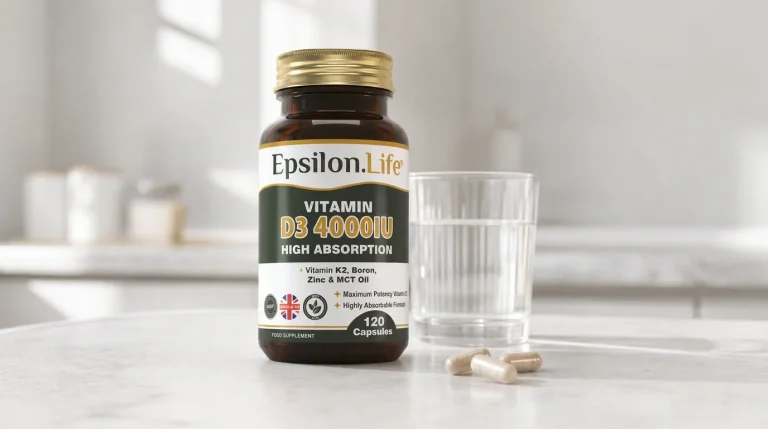
Millions supplement vitamin D and still test deficient. Here are the real reasons your levels stay low, including one culprit hiding in cheap multivitamins.
How Alcohol Depletes Glutathione, Your Body’s Master Antioxidant

Alcohol burns through glutathione, your body’s main antioxidant, especially in the liver. Here is how it happens and how to support your levels.