


Health and Wellness
Whether you’re looking for support for a specific health issue or want to learn more about how to stay healthy, Epsilon Life is here for you.
This category will focus on articles covering a range of health and wellness topics, such as the benefits of quercetin and resveratrol, the importance of gut health for overall wellbeing, and the role of mental health in physical health.
We’ll also provide tips for maintaining good health and well-being throughout your life, such as incorporating exercise into your daily routine and managing stress.
We provide information and advice about food supplements and their role in physical and mental health, all backed by science.
Our blog is updated regularly with fresh content, so be sure to check back often!
Magnesium and Blood Pressure Medication: What the Research Shows

If you take medication for blood pressure, your prescription could be affecting your magnesium levels. Here’s which drugs are involved, what the research shows, and what to do if you’re concerned.
High Fibre Snacks: What Actually Counts
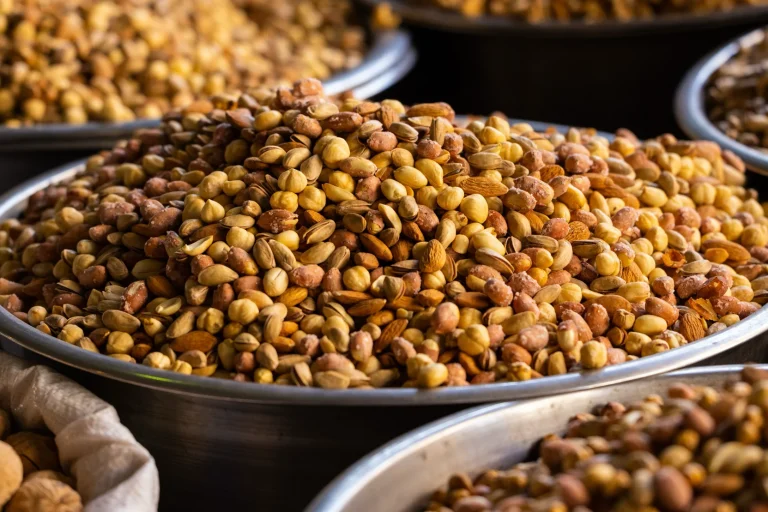
The highest-fibre snacks by weight are chia seeds, popcorn, roasted chickpeas and almonds, not most bars marketed as “high fibre.” What the numbers actually show.
Signs Probiotics Are Working: A Week-by-Week Timeline

The first signs probiotics are working usually show up within 1-2 weeks: less bloating, more regular bowel movements, less gas. Here’s the full week-by-week timeline.
Probiotics for Bloating: What the Evidence Actually Supports

Lactobacillus plantarum has the strongest clinical evidence for bloating. Here’s what the research actually shows about probiotics, strains, and bloating relief.
Magnesium and Insulin Resistance: The Overlooked Link After 40

Low magnesium is linked to insulin resistance and poorer blood sugar control. Here is what the research shows and why it matters after 40.
30 Plants a Week: What It Means and How to Actually Hit It

Eating 30 different plant foods a week is linked to a more diverse gut microbiome than eating fewer than 10. Here’s what counts, what doesn’t, and how to hit it without overhauling your diet.
What Is Oxidative Stress? Signs, Causes and Why It Speeds Up Ageing

Oxidative stress is the imbalance between free radicals and antioxidants in your body. Here are the signs, causes and how it links to ageing.
High Fibre Breakfast Ideas That Actually Work

A genuinely high fibre breakfast needs at least 6-8g of fibre. Here’s what that actually looks like, five combinations that hit it, and where most cereals fall short.
Perimenopause and Menopause Supplements: A UK Evidence Guide

Which perimenopause and menopause supplements are actually worth it? A UK evidence guide to magnesium, vitamin D with K2, calcium and omega-3.