


Supplement & Wellness Guides
Most people over 40 take supplements without knowing whether the form, dose, or timing actually matters. These guides are here to help.
Each article tackles a specific problem: poor sleep, low energy, bone health, gut health, or declining immunity. You’ll find what the research says, which supplement forms actually absorb, and whether something is worth taking in the first place.
Practical, evidence-based, written in plain English.
Supplements You Shouldn’t Take Together (and What to Separate)

Some supplements compete for absorption when taken together. Here is which minerals to separate, by how long, and which pairings are fine.
What Depletes Vitamin D? Four Factors Most People Miss
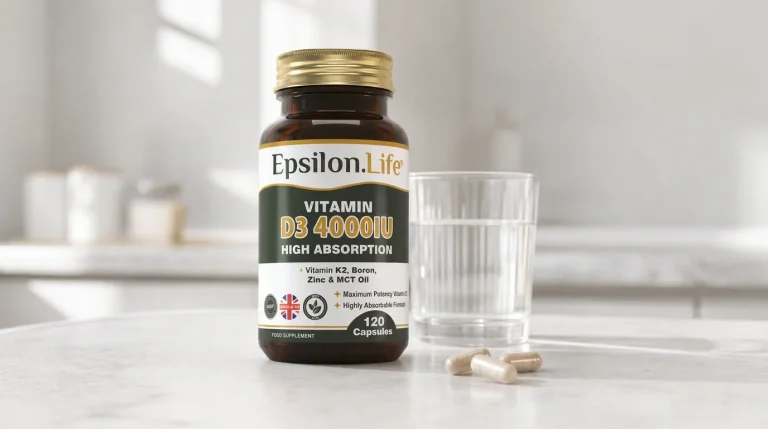
Millions supplement vitamin D and still test deficient. Here are the real reasons your levels stay low, including one culprit hiding in cheap multivitamins.
Why You Sleep Badly After Drinking (and Wake at 3am)

Alcohol helps you fall asleep but wrecks the second half of the night. Here is why you wake at 3am after drinking, and what helps.
How Alcohol Depletes Glutathione, Your Body’s Master Antioxidant

Alcohol burns through glutathione, your body’s main antioxidant, especially in the liver. Here is how it happens and how to support your levels.
Natural Remedies for IBS: What Research Actually Supports

Looking for natural remedies for IBS? Here’s what research says about diet, peppermint oil, fermented foods, fibre and supplements for IBS relief.
Medications That Quietly Deplete Your Nutrients After 40

Common long-term medications can quietly drain magnesium, B12 and other nutrients. Here is what to watch for after 40, and what to do.
Introducing NAC+: What’s New, Why We Added Selenium and Molybdenum, and What’s Not in It
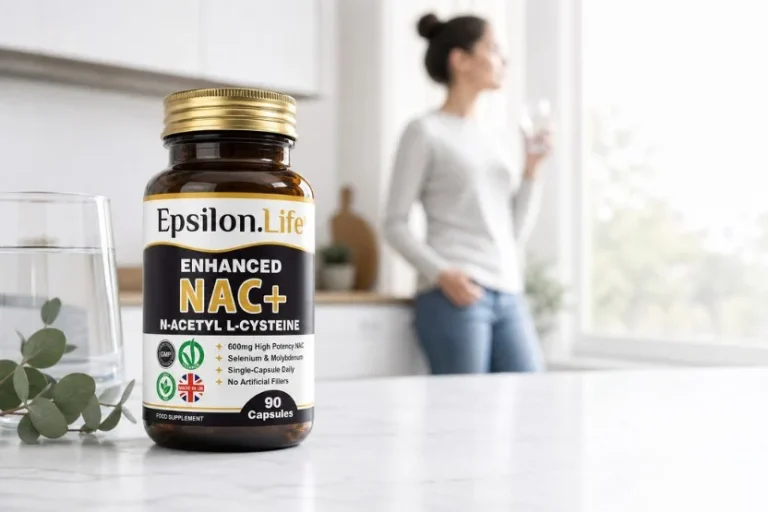
Epsilon Life NAC+ combines 600mg N-acetyl cysteine with selenium (L-selenomethionine) and molybdenum, two cofactors that support the glutathione pathway NAC feeds into. Here is what each ingredient does, why they belong together, and what is not in the formula.
Magnesium and Potassium: Why You Often Can’t Fix One Without the Other

Low potassium often won’t correct until magnesium is restored. Here is the link between magnesium and potassium and why it matters.
Supplements to Take with Mounjaro: A UK Guide

Most guides tell you to “take magnesium” on Mounjaro and leave it there. The problem is that the wrong form of magnesium can actively worsen the side effects you’re already dealing with. Here’s what to take, what to avoid, and why form matters more than most people realise.