


Lactobacillus plantarum is one of the most adaptable probiotic bacteria known. It survives a wider range of temperatures, pH levels, and environmental conditions than most other Lactobacillus species — which is part of why it appears naturally in so many different fermented foods across so many different cultures.
It’s found in kimchi, sauerkraut, sourdough bread, olives, and many traditional dairy ferments. It’s also one of the six strains in Biome Bliss. Here’s what the research shows about what it does and why it matters.
What Is Lactobacillus plantarum?
Lactobacillus plantarum is a gram-positive, lactic acid-producing bacterium that colonises the human gastrointestinal tract, particularly the small intestine and colon. It was first described scientifically in the 1920s and has since become one of the most widely studied probiotic organisms.
Unlike some probiotic strains that are fragile and require refrigeration or enteric coating to survive stomach acid, L. plantarum is notably robust. Its survival rate through the upper GI tract is higher than many comparable strains, meaning more of it reaches the intestine where it exerts its effects.
Benefits of Lactobacillus plantarum
Reduces bloating and IBS symptoms
This is the most well-evidenced application for L. plantarum. A randomised, double-blind, placebo-controlled trial published in the World Journal of Gastroenterology (Ducrotté et al., 2012) found that L. plantarum 299v significantly reduced abdominal pain and bloating in patients with irritable bowel syndrome compared to placebo. For a broader look at which probiotic strains have the strongest evidence for bloating specifically, see our guide to probiotics for bloating. Symptom scores improved significantly within four weeks.
An earlier study in Gut (Nobaek et al., 2000) found that L. plantarum 299v reduced flatulence and normalised bowel movements in IBS patients, with effects persisting for one month after supplementation stopped — suggesting some degree of colonisation or lasting microbiome change.
The mechanism appears to involve both direct effects on gut motility and modulation of gut inflammation, reducing the hypersensitivity that drives IBS symptoms.
Supports the intestinal barrier
L. plantarum produces compounds that reinforce the tight junctions between intestinal epithelial cells — the structural connections that determine how permeable the gut lining is. A more intact gut barrier means fewer bacterial compounds and inflammatory molecules crossing into the bloodstream.
Research in Gut Microbes (Anderson et al., 2010) demonstrated that L. plantarum improved gut barrier function in critically ill patients, significantly reducing gut permeability markers. While this was a clinical setting, the underlying mechanism is relevant to general gut health.
Improves nutrient absorption
L. plantarum produces phytase — an enzyme that breaks down phytate, a compound found in plant foods that binds to minerals like iron and zinc and prevents their absorption. By degrading phytate, L. plantarum can improve the bioavailability of these minerals from food.
This is particularly relevant for people who eat a predominantly plant-based diet, where phytate-containing foods (wholegrains, legumes, seeds) are consumed in larger quantities. It is also relevant for older adults, where mineral absorption tends to decline.
Anti-inflammatory and immune-modulating effects
L. plantarum produces antimicrobial compounds including bacteriocins — proteins that inhibit the growth of potentially harmful bacteria without the broad disruption of antibiotics. It also modulates cytokine production in the gut lining, reducing markers of gut inflammation.
A study in the Journal of Functional Foods (Karimi et al., 2015) found that L. plantarum supplementation reduced levels of pro-inflammatory cytokines (IL-6, TNF-α) in adults with metabolic syndrome, suggesting systemic anti-inflammatory effects beyond the gut.
May help lower cholesterol
Several studies have found that L. plantarum strains can modestly reduce LDL cholesterol levels, likely through bile salt hydrolase activity — an enzyme that interferes with cholesterol reabsorption in the gut. The effect sizes in human trials are modest, and the evidence is not consistent across all strains. But for a probiotic targeting the 40+ demographic where cardiovascular risk is a relevant concern, it is a notable secondary benefit.
Food Sources of L. plantarum
L. plantarum is one of the dominant bacteria in many naturally fermented foods:
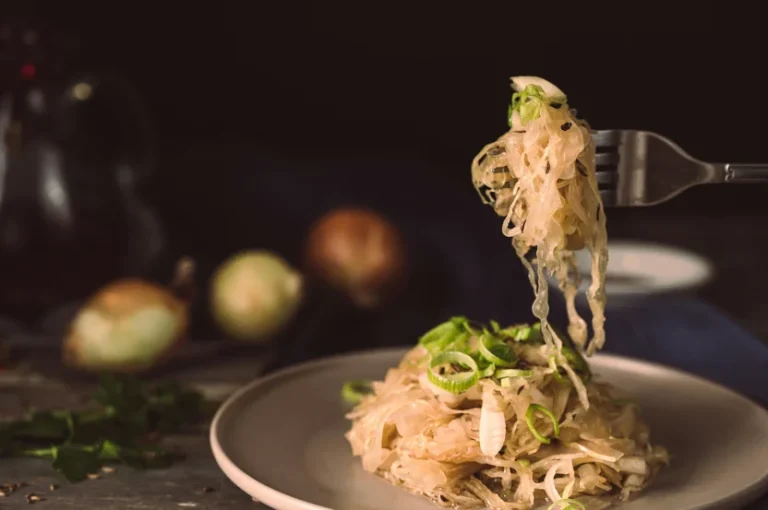
- Sauerkraut — traditionally fermented cabbage; L. plantarum typically dominates by the end of the fermentation process
- Kimchi — Korean fermented vegetables; L. plantarum is the primary lactic acid bacterium across most kimchi varieties
- Sourdough bread — L. plantarum is present alongside wild yeasts in sourdough starters
- Naturally fermented olives — traditionally brined olives (not those packed in vinegar, which are not fermented) contain active L. plantarum cultures
- Some aged cheeses — particularly traditionally produced varieties with active bacterial cultures
For consistent, measured doses, supplementation is more reliable than food sources, where the quantity of live bacteria can vary significantly based on production method and storage.
If you’re dairy-free, see our guide to dairy-free probiotic drinks — including what the label often doesn’t tell you about live culture content.
Dosage and How to Take It
Most clinical trials have used doses in the range of 10–20 billion CFU per day, with L. plantarum 299v being the most studied strain. The Ducrotté et al. (2012) IBS trial used 10 billion CFU per day and found significant benefit within four weeks.
L. plantarum is relatively robust and can be taken with or without food. It does not typically require refrigeration, though conditions vary by product and manufacturer.
Side Effects and Safety
L. plantarum has an excellent safety profile across decades of use in both food and supplement contexts. It is generally well tolerated, with mild and temporary bloating or gas the most commonly reported side effects when first starting.
As with all live probiotic supplements, immunocompromised individuals should consult a doctor before use.
For more on the other five strains alongside L. plantarum in Biome Bliss, see our guide to the six probiotic strains in Biome Bliss. For a broader overview of gut health, see our guide to improving gut health.
Frequently Asked Questions
What is Lactobacillus plantarum good for?
L. plantarum has the strongest evidence for reducing bloating and abdominal pain in IBS. It also supports the intestinal barrier, may improve mineral absorption by degrading phytate, and has anti-inflammatory effects. It is one of the more versatile and well-studied probiotic strains.
What foods contain Lactobacillus plantarum?
L. plantarum is naturally present in many fermented foods including kimchi, sauerkraut, naturally fermented olives, and sourdough. It is one of the dominant bacteria in vegetable ferments specifically. Look for unpasteurised, traditionally fermented versions — pasteurisation kills live cultures.
How long does L. plantarum take to work?
In IBS trials, significant improvements in bloating and abdominal pain have been observed within four weeks. For general gut health support, consistent use over a similar timeframe is typically needed before effects are noticeable.
Is Lactobacillus plantarum the same as L. plantarum 299v?
L. plantarum 299v is a specific strain within the L. plantarum species and the most clinically studied. Most of the IBS and gut barrier evidence uses this particular strain. Not all L. plantarum products contain 299v — the strain designation matters when evaluating evidence.
Can Lactobacillus plantarum help with weight loss?
The evidence for weight loss specifically is limited and inconsistent. Some studies have found modest effects on metabolic markers, including LDL cholesterol reduction. It is not well-evidenced as a weight management supplement, though supporting gut health and reducing inflammation may have indirect metabolic benefits.
References
- Ducrotté P et al. (2012). Clinical trial: Lactobacillus plantarum 299v (DSM 9843) improves symptoms of irritable bowel syndrome. World Journal of Gastroenterology, 18(30), 4012–4018. pubmed.ncbi.nlm.nih.gov/22912552
- Nobaek S et al. (2000). Alteration of intestinal microflora is associated with reduction in abdominal bloating and pain in patients with irritable bowel syndrome. American Journal of Gastroenterology, 95(5), 1231–1238. pubmed.ncbi.nlm.nih.gov/10811330
- Anderson ADG et al. (2004). Randomised clinical trial of multispecies probiotic supplementation in critically ill patients. Gut, 53(6), 827–833. pubmed.ncbi.nlm.nih.gov/15138209
This article is for informational purposes only and does not constitute medical advice. Please consult a GP or registered healthcare professional before starting any new supplement.
Find our guides useful? Add Epsilon Life as a preferred source on Google to see more of them in your search results.
Add to Google preferred sources