


Supplement & Wellness Guides
Most people over 40 take supplements without knowing whether the form, dose, or timing actually matters. These guides are here to help.
Each article tackles a specific problem: poor sleep, low energy, bone health, gut health, or declining immunity. You’ll find what the research says, which supplement forms actually absorb, and whether something is worth taking in the first place.
Practical, evidence-based, written in plain English.
Elemental Magnesium: What It Means and How to Read Your Label
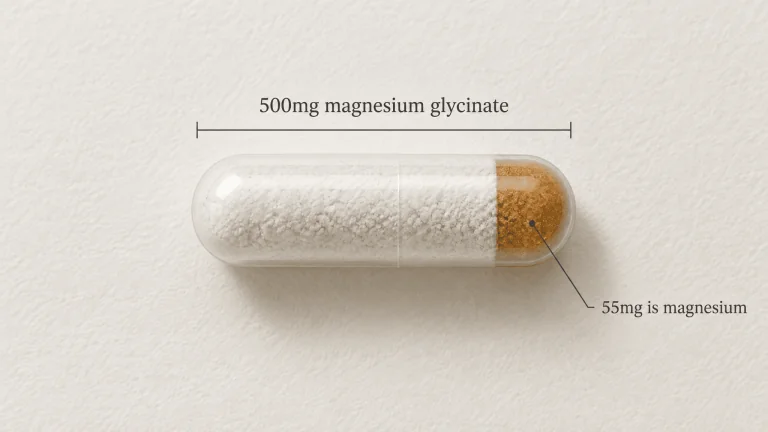
Elemental magnesium is the actual magnesium in a supplement, not the weight of the compound. How to read a UK label, how much each form contains, and how much you need.
Kefir Benefits: What the Research Actually Shows

Kefir is one of the most diverse fermented foods, with 10 to 20 live cultures. What the research shows on gut health, lactose and immunity, and how to use it.
Is Magnesium Glycinate Found in Food? What to Eat for Magnesium
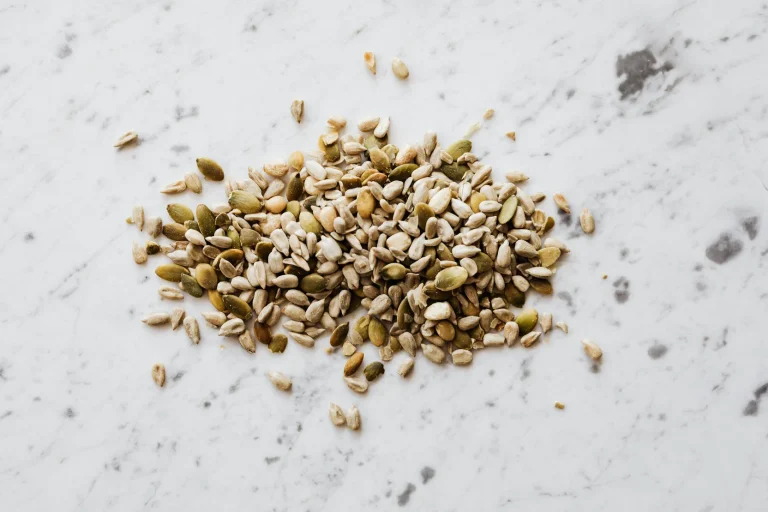
Magnesium glycinate is not found in food, it is a supplement form. Here is why, plus the foods highest in magnesium and how much you actually need.
Magnesium and Blood Pressure Medication: What the Research Shows

If you take medication for blood pressure, your prescription could be affecting your magnesium levels. Here’s which drugs are involved, what the research shows, and what to do if you’re concerned.
Vitamin D Overdose: Symptoms, Safe Limits and What the NHS Advises

Vitamin D overdose is rare but real. The symptoms, how much is too much, the NHS upper limit, and what to do if you have taken too much.
High Fibre Snacks: What Actually Counts

The highest-fibre snacks by weight are chia seeds, popcorn, roasted chickpeas and almonds, not most bars marketed as “high fibre.” What the numbers actually show.
The Calcium Paradox: Why Calcium Can End Up in Your Arteries Instead of Your Bones

The calcium paradox is when calcium leaves your bones and builds up in your arteries. Here is the role vitamin K2 plays in directing it.
The Glymphatic System: How Your Brain Cleans Itself While You Sleep

The glymphatic system is your brain’s overnight waste-clearance network. Here is how it works, why deep sleep is central, and what supports it.
Signs Probiotics Are Working: A Week-by-Week Timeline

The first signs probiotics are working usually show up within 1-2 weeks: less bloating, more regular bowel movements, less gas. Here’s the full week-by-week timeline.