


Supplement & Wellness Guides
Most people over 40 take supplements without knowing whether the form, dose, or timing actually matters. These guides are here to help.
Each article tackles a specific problem: poor sleep, low energy, bone health, gut health, or declining immunity. You’ll find what the research says, which supplement forms actually absorb, and whether something is worth taking in the first place.
Practical, evidence-based, written in plain English.
What Is Inflammaging? How Chronic Inflammation, Ageing, and Your Gut Are Connected

Inflammaging is a state of chronic, low-grade inflammation that increases with age. Your gut microbiome plays a central role in driving it. Here is what the research shows and what you can do about it.
Signs of Poor Gut Health: What Your Body May Be Telling You

Poor gut health does not always show up as digestive problems. Fatigue, skin issues, frequent illness, and mood changes can all be connected to your gut microbiome. Here are the signs to watch for and what the research says.
What Is the Estrobolome? How Your Gut Bacteria Regulate Oestrogen

The estrobolome is the collection of gut bacteria that metabolise oestrogen. When it is disrupted, oestrogen levels shift in ways that affect bone health, mood, weight, and cardiovascular risk. Here is what the research shows.
Do Magnesium Gummies Work? An Honest Look at Dose, Absorption and the Glycinate Label Trick

Most magnesium gummies deliver either too little elemental magnesium to do the job, or use a form your body barely absorbs. Here’s how to read the label — including the “glycinate” buffering trick most brands won’t explain.
Probiotics After H. pylori Treatment: How to Restore Your Gut

Triple therapy clears H. pylori but leaves the gut microbiome significantly depleted. Here’s what the research shows about which probiotics may help, how long for, and what else supports recovery.
How Long Does Vitamin D Take to Work? What the Research Shows
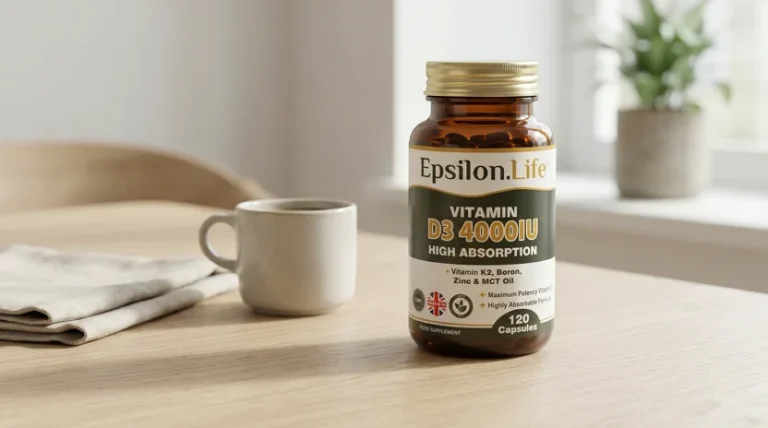
How long vitamin D takes to work depends on what you’re measuring. Blood levels start rising within days; a new steady state takes 6–8 weeks; deficiency correction usually runs 2–3 months. Here’s the research-backed timeline, with UK-specific testing and dosing context.
Do Probiotic Gummies Work? CFU Viability, Strain Specificity and What the Label Leaves Out

Probiotic gummies are the weakest of the common probiotic formats. Here’s an honest look at the four structural problems — manufacture, stomach acid, strain vagueness and the clinical evidence gap — and when a gummy might still be right for you.
Vitamin D and Depression: What the Research Actually Shows

What the research actually shows about vitamin D, depression, and seasonal low mood — including where the evidence is weak and when supplementation is unlikely to help.
How to Improve Vitamin D Absorption: What Actually Works (and What Doesn’t)

If your vitamin D levels won’t budge, it’s usually absorption, not dose. Evidence-based guide to what improves uptake, what blocks it, and which supplement formats are worth the price (and which aren’t).