


Nutrients and Supplements
Epsilon Life”s blog is an online resource for people over 40 who want to stay healthy and vibrant. We offer information about the latest food supplements and health trends, all backed by science.
Our blog provides valuable insights and support to help you make the best decisions about your health.
Nutrients and supplements are vital in maintaining good health and preventing illnesses.
This category will focus on articles covering a range of topics related to nutrients and supplements, such as vitamin C’s benefits, magnesium’s role in leg cramps, and omega-3 supplements.
We’ll also explore the potential risks and side effects of supplements and provide tips for incorporating supplements into a healthy, balanced diet.
NAC vs Glutathione: Which Should You Actually Take?

NAC or glutathione supplement — which actually works? A clear, evidence-based comparison including liposomal glutathione and dosage guidance.
Does Magnesium Cause Diarrhoea? (And Which Forms Don’t)

Some forms of magnesium cause diarrhoea. Others don’t. Here’s which forms trigger digestive issues, why they happen, and which form to choose if you’ve had problems.
Vitamin D Deficiency: Symptoms, Causes and What to Do About It

Around one in five UK adults has low vitamin D levels at some point during the year, many without knowing it. Fatigue, aching muscles and low mood are easy to dismiss. Here’s what to look for, how to test your levels, and what to do about it.
How to Boost Glutathione Naturally: Diet, Lifestyle and Supplements

Evidence-based strategies to support your glutathione levels: what to eat, how exercise helps, and where NAC supplementation fits in.
What’s in Our Magnesium Glycinate and Why It’s Unbuffered

A full breakdown of our unbuffered magnesium glycinate: why we chose bisglycinate chelate, what unbuffered actually means, the real elemental magnesium content, and why most “glycinate” products on the UK market contain hidden magnesium oxide.
NAC for Mucus: How N-Acetylcysteine Helps Clear Mucus and What Dosage to Take
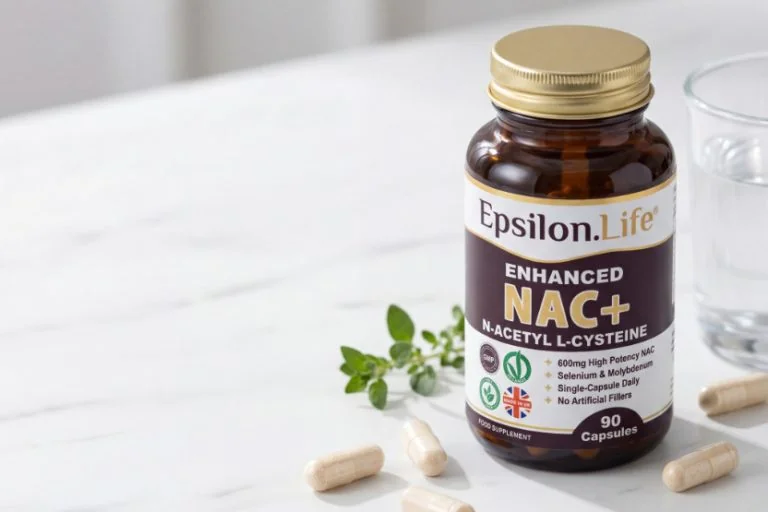
NAC (N-acetylcysteine) is the supplement form of the same compound prescribed in hospitals to break down mucus. Here’s how it works, what dosage the research supports, and how it compares to other mucolytics.
Vitamin D for Seniors: How Much You Actually Need and Why Most Older Adults Don’t Get Enough

Most older adults taking vitamin D are taking too little. For over-65s, research consistently points to 800–1,000 IU as the effective daily range. Here’s why that matters, why form counts, and why K2 belongs alongside D3.
Magnesium Glycinate for Sleep: Dosage, Timing and What the Research Says

How much magnesium glycinate to take for sleep, when to take it, and what the research actually shows. Practical dosage guide for UK adults.
Vitamin D with Zinc and Magnesium: Do You Actually Need All Three?

Taking vitamin D with zinc and magnesium makes biochemical sense. Here’s why all three nutrients work better together, and how much of each to take.