


Glutathione (GSH) is a small but critical molecule your body produces in every cell. It acts as your primary internal antioxidant — neutralising free radicals, supporting detoxification, and helping to keep your immune system functioning properly.
It’s often called the “master antioxidant,” and that title is earned. Glutathione doesn’t just protect cells directly. It also regenerates other antioxidants, including vitamins C and E, so they can keep working.
The challenge is that glutathione levels naturally decline with age, and a range of lifestyle factors deplete them further. Understanding what glutathione does and how to support your body’s own production of it becomes increasingly relevant from your 40s onwards.
This article covers what glutathione is, what it does, why levels fall, and what the research actually says about supporting them.
What Is Glutathione?
Glutathione is a tripeptide — a molecule formed when three amino acids join together. Those three amino acids are:
- Cysteine — the rate-limiting building block; your supply of cysteine largely determines how much glutathione your body can produce
- Glycine — a simple amino acid found abundantly in most diets
- Glutamate (glutamic acid) — widely available and rarely the limiting factor
Glutathione is present in virtually all human cells, but the liver holds the highest concentrations — appropriate given its central role in detoxification. The liver also exports glutathione to tissues and organs that need it.
It exists in two forms:
- GSH (reduced glutathione) — the active form doing the protective work
- GSSG (oxidised glutathione) — the spent form, produced after GSH has neutralised a free radical
The ratio of GSH to GSSG in your cells is considered a useful marker of oxidative stress. A healthy cell continuously converts GSSG back to active GSH, but this recycling process depends on selenium-containing enzymes called glutathione peroxidases.

What Does Glutathione Do?
Glutathione has three well-established roles in the body.
1. Antioxidant defence
Free radicals are unstable molecules produced as a byproduct of normal metabolism, and in greater quantities by pollution, cigarette smoke, alcohol, and UV exposure. Left unchecked, they damage DNA, proteins, and cell membranes in a process called oxidative stress.
Glutathione neutralises free radicals directly, and it works alongside other antioxidant enzymes — including superoxide dismutase and catalase — to limit oxidative damage. After GSH quenches a free radical, it becomes GSSG and is recycled back to active GSH, provided the cell has adequate selenium.
2. Detoxification
The liver uses glutathione to process and eliminate toxins, heavy metals, and metabolic waste. In a process called glutathione conjugation, harmful compounds are tagged with a GSH molecule, making them water-soluble and ready for excretion via bile or urine. This pathway is particularly important for clearing heavy metals such as mercury and environmental pollutants.
3. Immune support
Immune cells — particularly lymphocytes — have high glutathione requirements. Research published in the European Journal of Clinical Investigation found that intracellular glutathione is essential for T-cell proliferation and function. Reduced glutathione may impair immune response, particularly in older adults.
Why Is Glutathione Called the Master Antioxidant?
The “master antioxidant” label refers to a specific property: glutathione is the only antioxidant in the body capable of regenerating other antioxidants after they have been oxidised.
When vitamin C neutralises a free radical, it becomes dehydroascorbate — an oxidised, inactive form. Glutathione donates electrons to convert it back to active vitamin C. The same mechanism applies to vitamin E. Without adequate glutathione, this antioxidant recycling stalls, and the body’s overall defences erode more quickly.
This interconnected role — not just reducing oxidative stress directly, but sustaining the entire antioxidant network — is why glutathione is considered central to cellular health by researchers and clinicians.
What Depletes Glutathione?
Glutathione levels are shaped by a combination of factors. Some are unavoidable; others can be addressed.
- Ageing — glutathione synthesis declines with age; research in the Journals of Gerontology found significantly lower GSH levels in older adults compared with younger controls
- Chronic stress — sustained physiological and psychological stress increases free radical production, accelerating GSH depletion
- Poor diet — low intake of cysteine, glycine, and selenium reduces both GSH synthesis and the recycling of spent glutathione
- Alcohol — alcohol metabolism generates acetaldehyde, which consumes large quantities of hepatic glutathione
- Illness and infection — the immune response simultaneously increases oxidative burden and glutathione demand
- Environmental toxin exposure — heavy metals, air pollution, and pesticides accelerate glutathione depletion in the liver
- Very high training loads without adequate recovery — intense exercise creates a temporary deficit, though regular moderate exercise appears to increase GSH levels over time
How to Support Your Glutathione Levels
Because glutathione is made inside your cells rather than absorbed directly from food or supplements, the most practical strategies focus on supplying the raw materials your cells need to produce it, and supporting the enzymes that recycle it.
Foods that support glutathione production
Your diet can influence glutathione through two routes: providing precursor amino acids and supplying selenium for the recycling enzymes.
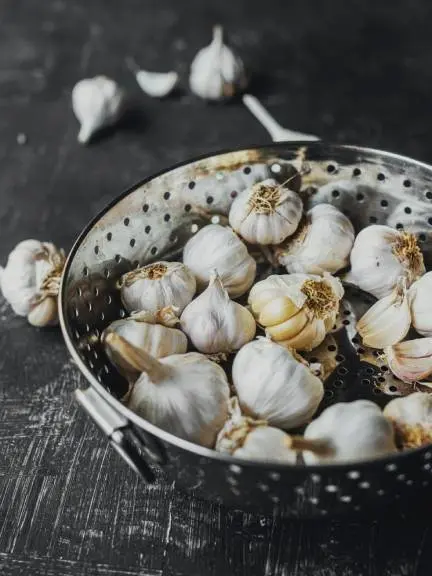
- High-cysteine foods: eggs, poultry, meat, garlic, onions, and cruciferous vegetables such as broccoli, kale, and Brussels sprouts — these supply the rate-limiting amino acid for GSH synthesis
- Selenium-rich foods: Brazil nuts (2–3 per day provides adequate selenium), sardines, tuna, and sunflower seeds — selenium is required for glutathione peroxidase, the enzyme that recycles spent glutathione
- Glycine sources: bone broth, collagen-rich cuts of meat, and dairy products
- Sulphur-rich vegetables: broccoli, watercress, and rocket contain glucosinolates that upregulate glutathione-S-transferase — an enzyme central to detoxification
Exercise
Regular moderate-intensity exercise is associated with higher baseline glutathione levels. Research published in Acta Physiologica Scandinavica found that trained individuals had significantly higher GSH levels at rest than sedentary controls, likely through exercise-induced upregulation of antioxidant enzyme activity.
NAC — the most evidence-backed supplementation route
N-acetyl cysteine (NAC) is the most clinically studied method for supporting intracellular glutathione. It works by delivering cysteine (the amino acid your cells need most to synthesise GSH) in a stable, highly bioavailable form.
Unlike oral glutathione, which has limited systemic bioavailability due to breakdown in the gut, NAC is efficiently absorbed and converted to cysteine inside the cell, where glutathione synthesis then occurs. Pairing NAC with glycine, a combination known as GlyNAC, has specific research behind it for restoring youthful glutathione levels; see our guide to what is GlyNAC. This is why NAC has been used clinically for decades — including as the standard treatment for paracetamol overdose, which depletes hepatic glutathione.
Epsilon Life’s NAC+ supplement provides 600mg per capsule, formulated with selenium and molybdenum — cofactors that directly support the glutathione recycling enzymes. For a detailed look at the evidence base, dosage, and how NAC compares to taking glutathione directly, see our NAC supplement guide.
Oral and liposomal glutathione supplements
Standard oral glutathione supplements are limited by poor absorption — the molecule is largely broken down in the digestive tract before reaching systemic circulation. Liposomal formulations encapsulate glutathione in lipid particles that may protect it from digestive breakdown. Emerging research suggests liposomal delivery may improve bioavailability, though the evidence base is still developing. For a detailed look, see our liposomal glutathione guide.
For most people, supporting glutathione through diet, exercise, and NAC supplementation remains the most evidence-backed approach.
Frequently Asked Questions
What is glutathione made of?
Glutathione is a tripeptide made from three amino acids: cysteine, glycine, and glutamate. Cysteine is the rate-limiting precursor: your body’s ability to produce glutathione is largely determined by how much cysteine is available.
Why does glutathione decline with age?
Glutathione synthesis slows with age due to decreased enzyme activity and reduced availability of precursor amino acids, particularly cysteine and glycine. At the same time, oxidative burden tends to increase, so the balance shifts towards depletion.
Is it better to take glutathione or NAC?
Most research supports NAC as the more effective oral strategy. Oral glutathione has limited bioavailability because it is broken down in the gut before reaching the bloodstream. NAC bypasses this issue by being absorbed as cysteine, which cells then use to synthesise glutathione intracellularly. Liposomal glutathione may improve on standard oral glutathione, but NAC remains the most clinically validated approach.
What are the signs of low glutathione?
There is no standard clinical test for glutathione deficiency. Low levels have been associated with fatigue, increased susceptibility to infection, slow recovery, and elevated inflammatory markers — but these symptoms have many possible causes and are not specific to glutathione status.
Can you raise glutathione through diet alone?
Diet can meaningfully support glutathione synthesis by providing cysteine (from eggs, meat, garlic, cruciferous vegetables), glycine, and selenium (from Brazil nuts, sardines). Whether diet alone is sufficient to raise levels significantly in someone with established depletion is unclear. NAC supplementation provides a more direct and reliable route for those with specific needs.
Medical disclaimer: This article is for informational purposes only and does not constitute medical advice. Always consult a qualified healthcare professional before starting any new supplement regimen.