

Table of Contents
Most people think gut problems need a specialist diet. Often, they just need a better one
If your digestion is poor — bloating after meals, irregular bowel habits, low energy, or persistent discomfort — the first question worth asking is: what are you actually feeding your gut bacteria? For a full picture of what poor gut health can look like, see our guide to signs of poor gut health.
A gut-healing diet isn’t about restriction. It’s about adding more of the foods that support a diverse, well-functioning gut microbiome. Here’s what the evidence says about which foods help, which harm, and how to build an eating pattern that your gut will benefit from.
What Does a “Gut Healing Diet” Actually Mean?
The phrase gets used loosely, so it’s worth being precise. There’s no single medically defined “gut healing diet.” What there is: a body of research showing that certain foods consistently support microbiome diversity, reduce intestinal inflammation, and improve the integrity of the gut lining — what researchers call intestinal permeability, and what many people refer to as leaky gut.
The core of that evidence points in the same direction: a varied, predominantly plant-based diet — rich in fibre, fermented foods, and polyphenols — supports a healthier gut than the average Western diet high in ultra-processed foods and low in plant variety.
The Foods Your Gut Bacteria Need
Fibre — and lots of variety
Dietary fibre is the primary fuel for your gut bacteria. When bacteria ferment fibre in your large intestine, they produce short-chain fatty acids (SCFAs) — particularly butyrate, which feeds the cells lining your colon and helps maintain the gut barrier.
The NHS recommends 30g of fibre per day. The average UK adult eats around 18g. That gap matters.
Crucially, variety of fibre sources matters as much as quantity. Different bacterial species feed on different types of fibre. The American Gut Project found that people eating 30 or more different plant foods per week had significantly more diverse microbiomes than those eating fewer than 10 — regardless of whether they were vegetarian, vegan, or omnivore. Our full guide to 30 plants a week covers what counts, what doesn’t, and simple ways to build variety without extra cooking.
Good fibre sources:
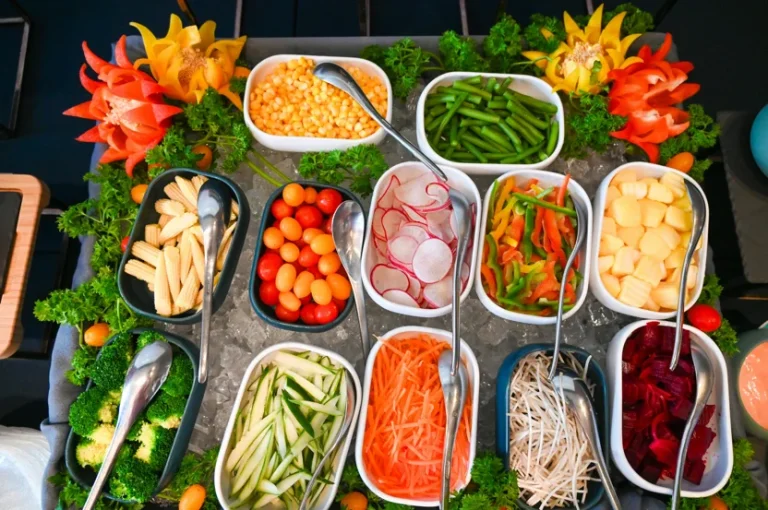
- Vegetables: broccoli, artichokes, leeks, asparagus, onions, garlic
- Legumes: lentils, chickpeas, black beans, kidney beans
- Whole grains: oats, barley, rye, brown rice
- Fruits: apples, pears, berries, bananas
- Nuts and seeds: almonds, flaxseed, chia seeds
Prebiotic foods
Prebiotics are specific types of fibre that selectively feed beneficial bacteria, particularly Bifidobacterium and Lactobacillus species. They’re found in garlic, onions, leeks, shallots, oats, Jerusalem artichokes, and slightly unripe bananas. For a deeper look at how different prebiotic fibres work, see our guide to prebiotic fibre types.
If you introduce these foods quickly and in large amounts, you may notice temporary bloating — that’s fermentation, and it usually settles within 1–2 weeks as your microbiome adjusts.
Fermented foods
Fermented foods contain live microorganisms that may directly contribute beneficial bacteria to your gut. Research in Cell (2021) found that a high-fermented food diet increased microbiome diversity more than a high-fibre diet alone and reduced 19 markers of inflammation. For the full breakdown of this study and the broader microbiome science, see our guide to the microbiome diet.
Useful fermented foods to include:
- Live yoghurt (check the label — must say “live cultures”)
- Kefir (dairy or water-based)
- Sauerkraut and kimchi (unpasteurised)
- Kombucha
- Miso and tempeh
Pasteurised versions of sauerkraut and kombucha (most supermarket varieties) don’t contain live bacteria. Look for refrigerated, unpasteurised versions from health food shops or make your own.
Polyphenol-rich foods
Polyphenols are plant compounds — found in berries, olive oil, dark chocolate, green tea, coffee, and red wine — that act as fuel for specific gut bacteria. Research in Food & Function (2019) found that polyphenols from cocoa increased levels of Lactobacillus and Bifidobacterium in healthy volunteers.
Olive oil, in particular, is associated with greater microbiome diversity and lower intestinal inflammation in Mediterranean diet studies.
Omega-3 fatty acids
Oily fish (salmon, mackerel, sardines, anchovies), walnuts, and flaxseed provide omega-3 fatty acids that may reduce gut inflammation. A meta-analysis in Nutrients (2021) found that omega-3 supplementation increased levels of butyrate-producing bacteria in the gut.
Foods That Disrupt the Gut
Ultra-processed foods
Ultra-processed foods — those manufactured with industrial ingredients not typically found in home cooking — are consistently associated with lower microbiome diversity. Emulsifiers (like carrageenan and polysorbate-80) disrupt the protective mucus layer of the gut. Research in Nature (Chassaing et al., 2015) found that common emulsifiers caused low-grade intestinal inflammation in animal models.
Artificial sweeteners
Commonly used artificial sweeteners — including saccharin, sucralose, and aspartame — have been shown to alter gut bacteria in ways that may impair glucose tolerance. A 2022 study in Cell found measurable changes in gut bacteria composition after just two weeks of consumption in healthy adults.
Excess red and processed meat
High consumption of red meat and processed meat is associated with increased production of gut bacteria metabolites (particularly TMAO and hydrogen sulphide) that are linked to intestinal inflammation. Moderate consumption appears less problematic than daily high intake.
Refined carbohydrates and sugar
A diet high in refined sugar feeds less desirable bacteria — particularly Firmicutes species associated with inflammation — while starving the Bacteroidetes species that thrive on complex carbohydrates and fibre.
Quick Reference: Eat More, Eat Less
| Eat more | Eat less |
|---|---|
| Diverse vegetables — aim for 30+ plants per week | Ultra-processed foods and ready meals |
| Legumes (lentils, chickpeas, kidney beans) | Refined sugar and white flour products |
| Whole grains (oats, rye, barley) | Artificial sweeteners (saccharin, sucralose, aspartame) |
| Fermented foods (kefir, live yoghurt, unpasteurised sauerkraut) | Processed meat (daily high intake) |
| Oily fish (salmon, mackerel, sardines) — twice a week | Emulsifier-heavy packaged snacks |
| Polyphenol-rich foods (berries, olive oil, green tea) | High-sugar drinks and fruit juices |
A Practical Starting Point
You don’t need to overhaul your diet overnight. Small, consistent changes tend to produce better long-term results than rigid plans you abandon after a week.
A sensible starting approach:
- Aim for 5 different vegetables per day — variety counts as much as quantity
- Add one fermented food per day (yoghurt at breakfast, kefir in a smoothie, sauerkraut with lunch)
- Replace one refined grain per day with a whole grain alternative
- Eat legumes 3–4 times per week — add lentils to soups, or chickpeas to salads
- Eat oily fish twice a week
- Reduce ultra-processed snacks — not eliminate, reduce
If you want additional microbiome support alongside dietary changes, a multi-strain probiotic supplement may help. Our Biome Bliss contains six clinically researched strains in a fermented format, designed to complement rather than replace a gut-supportive diet.
For more on what to avoid, see our post on the worst foods for gut health — and for a broader overview of microbiome science, see what the gut microbiome is and why it matters.
FAQ
How long does a gut healing diet take to work?
Microbiome changes can appear within days of dietary shifts, but meaningful, sustained improvements take weeks to months. Research suggests that 4–6 weeks of consistent high-fibre, high-fermented food intake produces measurable improvements in microbiome diversity and inflammatory markers.
How do you heal the gut lining?
The gut lining repairs itself through consistent dietary support rather than quick fixes. Butyrate, produced when bacteria ferment fibre, is the primary fuel for the cells lining your colon. A high-fibre, high-fermented food diet maintained over 4–6 weeks produces measurable improvements in gut barrier function. Glutamine-rich foods and bone broth are commonly recommended as well, though the clinical evidence for these is less robust than for fibre.
Is a gut healing diet the same as a low-FODMAP diet?
No. A low-FODMAP diet is a short-term elimination protocol used to identify trigger foods in IBS — it actually reduces fibre intake temporarily. A gut-healing diet does the opposite: it increases fibre and plant variety. If you have IBS, speak to a registered dietitian before making significant dietary changes. For a full breakdown of which specific remedies (low-FODMAP, peppermint oil, probiotics) have the strongest evidence for IBS, see our guide to natural remedies for IBS.
Can I improve my gut without cutting out all processed food?
Yes. The goal is overall dietary pattern, not perfection. Adding more fibre and fermented foods produces measurable microbiome benefits even without completely eliminating processed food. Progress matters more than rigidity.
Is bone broth good for gut healing?
Bone broth is a popular claim, but evidence is limited. It contains gelatin and collagen peptides that may support the gut lining, but clinical trials are lacking. It’s not harmful to include, but it shouldn’t be prioritised over fibre and fermented foods, which have stronger research behind them.
Do I need to take probiotics alongside diet changes?
Not necessarily, but they can complement dietary changes. Probiotic supplements provide specific bacterial strains that may support the gut during periods of disruption — after antibiotics, illness, or high stress. For a clear overview of how probiotics and prebiotics differ and work together, see our post on prebiotics vs probiotics. A high-quality multi-strain supplement alongside a varied diet gives your microbiome the best foundation.
References
- Wastyk HC et al. Gut-microbiota-targeted diets modulate human immune status. Cell. 2021;184(16):4137–4153. PubMed
- McDonald D et al. American Gut: an Open Platform for Citizen Science Microbiome Research. mSystems. 2018;3(3). PubMed
- Chassaing B et al. Dietary emulsifiers impact the mouse gut microbiota promoting colitis and metabolic syndrome. Nature. 2015;519:92–96. PubMed
- Suez J et al. Personalized microbiome-driven effects of non-nutritive sweeteners on human glucose tolerance. Cell. 2022;185(18):3307–3328. PubMed
- Costantini L et al. Impact of Omega-3 Fatty Acids on the Gut Microbiota. International Journal of Molecular Sciences. 2017;18(12):2645. PubMed
This article is for informational purposes only and does not constitute medical advice. If you have a digestive health condition, please speak to your GP or a registered dietitian before making significant dietary changes.
Find our guides useful? Add Epsilon Life as a preferred source on Google to see more of them in your search results.
Add to Google preferred sources