


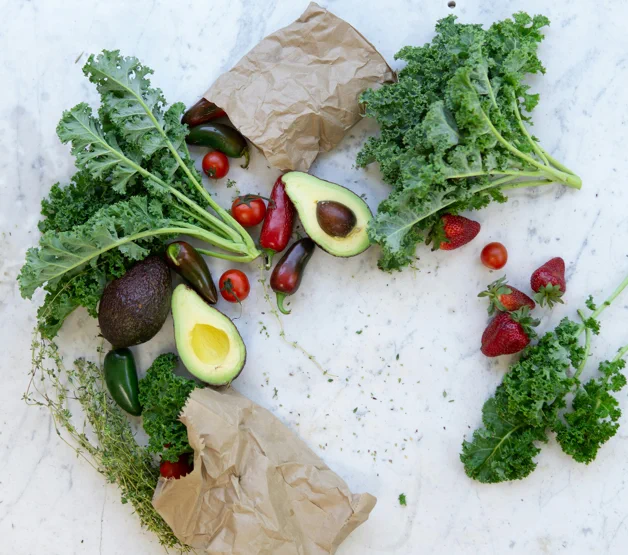
The NHS recommends 30g of fibre per day. Most adults in the UK get about 20g. But even if you hit the target, the type of fibre you eat matters as much as the amount. Not all fibre is prebiotic, and not all prebiotics are fibre.
Prebiotic fibre is a specific category: the fibres that selectively feed beneficial gut bacteria and stimulate their growth. Cellulose, psyllium, and many common “high fibre” foods provide bulk and support regular bowel movements, but they don’t do much to shape your microbiome. Understanding which fibres are prebiotic changes how you think about gut health and what you put on your plate.
What Is Prebiotic Fibre?
Prebiotic fibre refers to non-digestible carbohydrates that pass through the stomach and small intestine intact, then are selectively fermented by beneficial bacteria in the colon. The key word is selectively. General fibre adds bulk. Prebiotic fibre specifically feeds bacteria like Bifidobacterium and Lactobacillus, which ferment it to produce short-chain fatty acids (SCFAs) including butyrate, acetate, and propionate.
The ISAPP consensus definition (Gibson et al., 2017) requires that a prebiotic must be selectively used by host microorganisms and confer a measurable health benefit. That rules out most insoluble fibre, which passes through largely unfermented.
The distinction matters because the health benefits attributed to “fibre” in research often come specifically from the prebiotic fraction: improved gut barrier function, better mineral absorption, reduced inflammation, and a more diverse microbiome.
Prebiotic vs Non-Prebiotic Fibre
| Fibre type | Prebiotic? | Where it ferments | What it does |
|---|---|---|---|
| Inulin / FOS | Yes | Proximal colon (fast, soluble) | Selectively feeds Bifidobacterium; increases SCFA production |
| GOS | Yes | Proximal colon (fast, soluble) | Strong Lactobacillus and Bifidobacterium growth; IBS symptom relief in RCTs |
| Resistant starch | Yes | Proximal colon (rapid fermentation) | Rapid SCFA production, particularly butyrate |
| Pectin | Yes | Proximal colon (soluble) | Supports microbiota diversity; favourable fermentation profile |
| Cellulose | No | Distal colon (slow, insoluble) | Adds bulk; improves transit time; no selective bacterial growth |
| Psyllium husk | Minimal | Variable | Gel-forming; softens stool and adds bulk; limited selective fermentation |
The Five Main Types of Prebiotic Fibre
Inulin and fructooligosaccharides (FOS)
Inulin and FOS are fructans, chains of fructose molecules that human enzymes cannot break down. They are the most studied prebiotic fibres and the ones most supplement labels refer to when they say “prebiotic.”
Research consistently shows that 5-8g per day increases Bifidobacterium populations in the gut. A PMC review (2013) found that globe artichoke inulin produced a particularly pronounced bifidogenic effect, and FOS/inulin mixtures reduced inflammatory markers including faecal calprotectin in IBD patients.
Inulin has also been linked to improved calcium absorption and increased bone mineral density in a 12-month RCT in adolescents at 8g/day.
Best food sources: chicory root (highest concentration), garlic, onions, leeks, asparagus, Jerusalem artichokes, slightly underripe bananas, and wheat.
Galactooligosaccharides (GOS)
GOS are short chains of galactose molecules, naturally present in legumes and commercially derived from lactose. They are particularly effective at promoting both Lactobacillus and Bifidobacterium growth.
A Rome II-criteria RCT (n=44) found that GOS supplementation significantly improved IBS symptoms, making GOS one of the few prebiotic fibres with direct clinical evidence for digestive comfort. Research also suggests GOS may produce superior bacterial growth compared to inulin or polydextrose when tested individually, though mixtures of GOS with FOS tend to enhance the effect further.
Best food sources: beans, lentils, chickpeas, and Jerusalem artichokes.
Resistant starch
Resistant starch (RS) is starch that resists digestion in the small intestine and reaches the colon intact. It ferments rapidly, producing high levels of butyrate, the primary fuel for colonocytes (the cells lining the large intestine).
There are several types. RS2, found in raw or green bananas and raw potatoes, is the most commonly studied for prebiotic properties. One important detail: cooking destroys resistant starch. Cooling starchy foods after cooking (rice, potatoes, pasta) partially restores it through a process called retrogradation, but the levels are lower than in raw sources.
Best food sources: green (underripe) bananas, cooked-then-cooled potatoes and rice, tigernuts, oats, and legumes.
Pectin
Pectin is a soluble fibre found in the cell walls of fruit, particularly apples and citrus. It is highly soluble and ferments readily in the proximal colon, supporting microbiota diversity and SCFA production.
Pectin is less studied as a standalone prebiotic than inulin or GOS, but PMC reviews consistently include it among fibres with a favourable fermentation profile. It is also one of the prebiotic substrates present in Biome Bliss, where the apple juice base provides natural pectin alongside the probiotic cultures.
Best food sources: apples, citrus fruits (particularly the pith), carrots, and plums.
Polyphenols
Polyphenols are not fibre in the traditional sense, but they meet the ISAPP criteria for prebiotics: they are selectively used by beneficial gut bacteria and confer a health benefit. Cocoa polyphenols, green tea catechins, and berry anthocyanins all reach the colon largely intact and are fermented by gut bacteria.
Research is still emerging on polyphenols as prebiotics, but their inclusion in the broader ISAPP definition (Gibson et al., 2017) reflects growing evidence that prebiotic activity is not limited to fibre alone.
Best food sources: dark chocolate, green tea, blueberries, blackcurrants, red wine (in moderation), and coffee.
Is Psyllium Husk a Prebiotic?
This is one of the most commonly asked questions about prebiotic fibre, and the answer is: not really.
Psyllium husk is a soluble fibre that forms a gel in the gut. It is effective for softening stool, adding bulk, and improving bowel regularity. It is widely recommended for constipation and is a common ingredient in fibre supplements like Fybogel.
However, psyllium does not selectively stimulate beneficial bacterial growth the way inulin, FOS, or GOS do. Its primary mechanism is physical (gel formation and water retention) rather than fermentative. Some limited fermentation occurs, but it is not selective enough to meet the ISAPP definition of a prebiotic.
Psyllium is useful for bowel regularity. If your goal is to feed your gut bacteria and increase SCFA production, you need actual prebiotic fibres alongside it. For a broader comparison of fibre supplement formats and what to look for when choosing one, see our guide to what makes a good fibre supplement.
How Much Prebiotic Fibre Do You Need?
There is no official UK recommended daily intake for prebiotic fibre specifically. The NHS recommends 30g of total fibre per day, but this includes both prebiotic and non-prebiotic types.
Most research on prebiotic benefits uses doses of 5-10g per day of specific prebiotic fibre (inulin, FOS, or GOS). That is achievable through diet alone if you eat prebiotic-rich foods regularly: a serving of oats at breakfast, onions and garlic in cooking, a portion of legumes, and an apple or banana provides roughly this amount.
If you are not used to prebiotic fibre, increase your intake gradually. A sudden jump can cause gas and bloating as your gut bacteria adjust. Starting with 3-5g per day and building up over two to three weeks is a reasonable approach.
Prebiotic Fibre and Your Microbiome
The reason prebiotic fibre matters for gut health goes beyond simple digestion. When beneficial bacteria ferment prebiotic fibre, they produce postbiotics, the bioactive compounds that directly support gut lining integrity, regulate immune function, and influence everything from inflammation to metabolism.
Without adequate prebiotic fibre, your gut bacteria have less to work with. The result is lower SCFA production, reduced microbiome diversity, and a gut environment that favours less beneficial microbial populations. This is one reason why simply taking a probiotic supplement without prebiotic support tends to produce inconsistent results.
Aiming for diversity is more important than fixating on any single prebiotic type. Different prebiotic fibres feed different bacterial species: inulin and FOS primarily support Bifidobacterium, GOS supports both Bifidobacterium and Lactobacillus, and resistant starch drives butyrate production. Eating a mix of 30+ different plant foods per week, as recommended by the American Gut Project, provides the broadest range of prebiotic substrates. For a practical framework for building this into your weekly eating pattern, see our guide to the microbiome diet.
Biome Bliss: Prebiotic Fibre Built into the Fermentation
Biome Bliss is formulated with natural prebiotic substrates as part of the fermentation base, not added as isolated ingredients. The organic honey provides oligosaccharides, the apple juice contributes pectin, and the 25 organic herbs (including raw ginger) supply fructooligosaccharides and other prebiotic compounds.
This means the six probiotic strains in Biome Bliss are fermented alongside their own prebiotic fuel source. The result is a product that delivers prebiotic fibre, live probiotics, and the postbiotic metabolites produced during fermentation, all in a single preparation.
Frequently Asked Questions
What is prebiotic fibre?
Prebiotic fibre is a category of non-digestible carbohydrates that selectively feed beneficial gut bacteria, particularly Bifidobacterium and Lactobacillus. Unlike general fibre that adds bulk, prebiotic fibre is fermented in the colon to produce short-chain fatty acids that support gut lining integrity, immune function, and microbiome diversity. The main types are inulin, FOS, GOS, resistant starch, and pectin.
Is all fibre prebiotic?
No. Many common fibres, including cellulose and psyllium husk, add bulk to stool and support bowel regularity but do not selectively stimulate beneficial bacterial growth. Only fibres that are selectively fermented by specific beneficial microbes and produce a measurable health benefit qualify as prebiotic under the ISAPP definition.
Is psyllium husk a prebiotic?
Psyllium husk is a soluble fibre but not a true prebiotic. Its primary mechanism is gel formation and water retention, which helps with bowel regularity and stool consistency. It does not selectively feed beneficial gut bacteria the way inulin, FOS, or GOS do. It is useful for constipation, but if your goal is to support your gut microbiome, you need prebiotic fibres alongside it.
Which foods are highest in prebiotic fibre?
Chicory root has the highest concentration of inulin. Other rich sources include garlic, onions, leeks, Jerusalem artichokes, asparagus, beans, lentils, oats, slightly underripe bananas, and apples. Cooked-then-cooled potatoes and rice also contain resistant starch, a form of prebiotic fibre.
How much prebiotic fibre should I eat per day?
Most research showing benefits uses 5-10g of specific prebiotic fibre per day (inulin, FOS, or GOS). There is no separate UK guideline for prebiotic fibre, but eating diverse prebiotic-rich foods alongside the NHS-recommended 30g of total daily fibre is a practical target. Increase intake gradually to avoid initial gas and bloating.
What is the difference between prebiotic fibre and regular fibre?
Regular fibre includes all non-digestible plant material, both soluble and insoluble. Prebiotic fibre is a subset: the portion that is selectively fermented by beneficial gut bacteria to produce short-chain fatty acids and other health-promoting compounds. Cellulose adds bulk; prebiotic fibre like inulin actively shapes your microbiome.
References
- Gibson GR et al. The ISAPP consensus statement on the definition and scope of prebiotics. Nature Reviews Gastroenterology & Hepatology. 2017;14(8):491-502. PubMed
- Slavin J. Fiber and prebiotics: mechanisms and health benefits. Nutrients. 2013;5(4):1417-1435. PMC
- Alfa MJ et al. A randomized trial to determine the impact of a digestion resistant starch composition on the gut microbiome in older and mid-age adults. Clinical Nutrition. 2018;37(3):797-807. PMC
- Swanson KS et al. The ISAPP consensus statement on the definition and scope of synbiotics. Nature Reviews Gastroenterology & Hepatology. 2020;17(11):687-701. PubMed
This article is for informational purposes only and does not constitute medical advice. If you have digestive symptoms or a health condition, speak to your GP before starting any new supplement.
Find our guides useful? Add Epsilon Life as a preferred source on Google to see more of them in your search results.
Add to Google preferred sources