

Your body produces glutathione in every cell, but levels decline with age and are continuously depleted by stress, alcohol, illness, and environmental toxin exposure. This decline is part of a broader pattern of oxidative stress that accelerates with age; see our guide to oxidative stress and ageing for what drives it and how to counter it. The good news is that several well-evidenced strategies (dietary, lifestyle-based, and supplemental) can meaningfully support your body’s glutathione production and recycling.
This article covers what actually works, ranked by evidence quality.
For background on what glutathione is and why it matters, see our glutathione overview.
Signs Your Glutathione May Be Low
There is no routine blood test for glutathione deficiency available in standard UK clinical practice. However, research has identified a range of markers and symptoms associated with below-optimal glutathione levels. These are non-specific (they can have many causes), but they provide useful context for identifying who may benefit most from glutathione-supporting strategies.
Common associations with low glutathione include:
- Persistent fatigue not explained by other factors — glutathione plays a central role in mitochondrial function; when intracellular GSH falls, energy production efficiency is impaired.
- Frequent infections or slow recovery — glutathione supports immune cell function, particularly natural killer (NK) cells and T-lymphocytes. Recurrent illness or prolonged recovery after minor infections may reflect reduced immune antioxidant defence.
- Increased sensitivity to alcohol or medications — the liver uses glutathione extensively in Phase II detoxification. Reduced alcohol tolerance, or feeling unwell after routine medication, can indicate depleted hepatic glutathione.
- Elevated inflammatory markers — CRP or other markers above optimal range without an acute cause may reflect increased oxidative stress and reduced antioxidant capacity.
- Poor mental clarity — the brain is particularly vulnerable to oxidative stress. Research has found associations between lower glutathione levels and cognitive changes, though the relationship is still being characterised.
Age is the most predictable factor. Research consistently shows that intracellular glutathione declines from around the mid-30s onwards, with a more pronounced drop after 60. The strategies in this article are relevant whether or not you have specific symptoms, and the case for proactive support strengthens significantly from middle age.
Understanding the Two Levers: Production and Recycling
Before getting into specifics, it helps to understand that there are two distinct ways to support your glutathione status:
- Production — giving your cells the raw materials to make more glutathione. The main bottleneck is cysteine; glycine and glutamate are rarely limiting factors.
- Recycling — after glutathione (GSH) neutralises a free radical, it becomes oxidised glutathione (GSSG). The body converts GSSG back to active GSH via enzymes called glutathione peroxidases, which require selenium. If recycling is impaired, active GSH falls even if production is normal.
The most effective strategies address both. Focusing only on production while ignoring the recycling side, or having inadequate selenium, leaves half the system unsupported.
1. Eat Foods That Supply Glutathione Precursors
Because glutathione is largely broken down in the gut before it can be absorbed, eating foods high in glutathione itself has limited effect. What does work is eating foods that supply the amino acids your cells need to make it, particularly cysteine.
High-cysteine foods (the most important category)
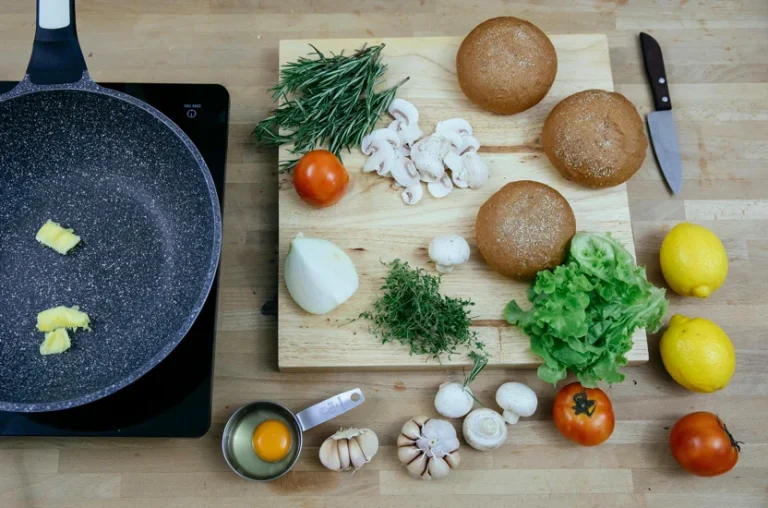
- Eggs — one of the richest dietary sources of cysteine; the whey protein in eggs is particularly high in cysteine-containing peptides
- Poultry and meat — good all-round cysteine sources
- Garlic and onions — contain S-allylcysteine and related sulphur compounds that both provide cysteine and may directly upregulate glutathione synthesis enzymes
- Cruciferous vegetables — broccoli, kale, Brussels sprouts, and cauliflower supply sulphur compounds and cysteine precursors; research shows they also upregulate glutathione-S-transferase, a detoxification enzyme
Selenium-rich foods (for glutathione recycling)
- Brazil nuts — 2–3 per day provides the daily selenium requirement; among the most concentrated food sources
- Sardines, tuna, and other oily fish — good selenium sources with the added benefit of omega-3s
- Sunflower seeds and mushrooms — moderate selenium content
- Eggs — a dual source: both cysteine and selenium
UK soils are naturally low in selenium, which means UK-grown produce tends to have lower selenium content than the same foods grown elsewhere. This is one genuine reason why selenium status is lower in the UK compared with North America, and why dietary attention to selenium-rich sources (or supplementation) matters more in a UK context.
Glycine sources
Glycine, the third amino acid in glutathione, is found in bone broth, collagen-rich cuts of meat, and dairy. It is rarely the limiting factor, but collagen peptides have attracted research interest as a glycine source in the context of glutathione. A 2018 trial in older adults found that glycine and NAC supplementation together restored GSH levels to those of young healthy adults. The researchers proposed that both glycine and cysteine become limiting precursors in older adults. This combined glycine and NAC approach has a name of its own: see our guide to what is GlyNAC for the full evidence.
2. Exercise Regularly
Regular moderate-intensity exercise consistently increases baseline glutathione levels over time. Research in Acta Physiologica Scandinavica found that trained athletes had significantly higher resting GSH than sedentary individuals, with the mechanism likely involving exercise-driven upregulation of antioxidant enzyme activity.
The relationship between exercise and glutathione is dose-dependent:
- Regular moderate exercise (30–60 minutes, 3–5 times weekly) — associated with higher baseline GSH
- Very high-intensity exercise without adequate recovery — can temporarily deplete glutathione; this is partly why adequate protein and antioxidant intake matters more for athletes
Exercise is one of the few interventions with consistent evidence for raising baseline GSH in healthy people. It is not merely theoretical.
3. Reduce Alcohol Intake
Alcohol metabolism generates acetaldehyde, which is directly toxic to the liver and consumes large amounts of hepatic glutathione in the detoxification process. Chronic alcohol use is one of the most reliably documented causes of glutathione depletion, affecting both the liver and other tissues. For the full step-by-step mechanism, see our guide to how alcohol depletes glutathione.
This is not just a concern for heavy drinkers. Regular moderate alcohol consumption also creates an ongoing demand on the glutathione system. Reducing alcohol is one of the most straightforward modifiable factors for anyone looking to protect their glutathione status.
4. Prioritise Sleep
Sleep is a period of active repair and antioxidant restoration. Research has found that sleep deprivation is associated with reduced glutathione levels and increased oxidative stress markers. Conversely, adequate sleep supports the body’s natural antioxidant defence cycle.
This is not a glamorous intervention, but it is physiologically significant. Consistently poor sleep while attempting to supplement glutathione may partly undermine the intended benefit.
5. Supplement With NAC
Of all the supplemental approaches to raising glutathione, NAC (N-acetyl cysteine) has the strongest and most established evidence base. It works by providing cysteine, the rate-limiting amino acid, in a stable, highly bioavailable form. Cells absorb NAC, convert it to cysteine, and use that cysteine to produce glutathione intracellularly.
Unlike oral glutathione, which is largely broken down in the gut before reaching systemic circulation, NAC bypasses this problem entirely. It has been used clinically for decades, including as the standard treatment for paracetamol overdose, which works by depleting hepatic glutathione.
A 2018 study in Nutrients (the glycine + NAC trial mentioned above) found that combined glycine and NAC supplementation fully restored intracellular glutathione in older adults to levels comparable with young healthy controls, a striking finding given the consistent age-related decline in GSH.
The most studied supplemental dose is 600mg per day. For a full discussion of evidence and dosage, see our NAC guide. If you are looking to supplement, our NAC+, reformulated with selenium and molybdenum added, provides 600mg per capsule and is manufactured in the UK to GMP standards.
6. Ensure Adequate Selenium
As discussed above, selenium is required for the recycling of spent glutathione. If you are focused on raising glutathione but have low selenium status, you are addressing only half the system. Molybdenum also plays a role, processing the sulphur compounds NAC generates as a byproduct. For the full picture, see our guide to why NAC works better with selenium and molybdenum.
For those who prefer supplementation, selenium in the form of selenomethionine is generally considered well absorbed. The UK daily reference nutrient intake is 75μg (men) / 60μg (women). Standard supplements provide 50–200μg. Selenium has a narrower safe range than most minerals, so staying within this range is important.
7. Limit Exposure to Glutathione-Depleting Factors
A less-discussed but practical element of glutathione support is reducing unnecessary depletion. The main modifiable factors:
- Alcohol (addressed above)
- Smoking and passive smoke exposure, which directly depletes lung and systemic glutathione
- Unnecessary paracetamol use at high doses, which depletes hepatic glutathione; using the lowest effective dose for the shortest necessary time is sensible
- Chronic high stress, which increases oxidative burden and glutathione demand simultaneously; stress management has indirect but real effects on antioxidant status
What Doesn’t Work (or Barely Works)
Standard oral glutathione supplements are largely ineffective at raising systemic glutathione levels due to poor gut absorption. The foundational study on this, published in the European Journal of Clinical Nutrition, found that a 3g oral dose did not raise plasma glutathione in healthy adults.
Liposomal glutathione (encapsulated in fat particles to improve absorption) shows more promise. A 2017 trial did find meaningful increases in blood GSH, but the evidence base is still developing and the cost is considerably higher than NAC. For more detail, see our liposomal glutathione guide.
Safety and Side Effects
NAC is generally well tolerated at the commonly studied dose of 600mg per day, with an established safety record spanning decades of clinical and research use. The most commonly reported side effects are mild and gastrointestinal: nausea, loose stools, or stomach discomfort, particularly when taken on an empty stomach. Taking NAC with food typically reduces these effects.
At higher doses (above 1,800–2,000mg daily), nausea and vomiting are more commonly reported. Very high doses used in clinical settings (for example, in paracetamol overdose treatment) are administered under medical supervision and are not relevant to routine supplementation.
People taking anticoagulants (blood thinners) or nitrate medications should consult their GP before using NAC, as some evidence of interaction exists at higher doses.
Oral glutathione supplements are generally considered safe. Their main limitation is bioavailability rather than safety; standard oral formulations are largely broken down in the gut. Liposomal formulations, which improve absorption, have a similar safety profile in published trials to date. For a full breakdown of what to expect from oral, liposomal and IV glutathione specifically, see our guide to glutathione side effects.
Neither NAC nor oral glutathione supplements are recommended during pregnancy or breastfeeding without medical supervision, due to insufficient safety data in these populations.
Frequently Asked Questions
What raises glutathione levels the fastest?
In clinical settings, intravenous NAC or glutathione raises levels most rapidly, within hours. For oral supplementation, NAC produces measurable increases in intracellular glutathione within days to weeks. Dietary changes and exercise produce more gradual increases over weeks to months. For most healthy people, a combination of dietary strategies and NAC supplementation provides the most practical and evidence-backed approach.
Does vitamin C increase glutathione?
Not directly, but there is an important interaction. Glutathione regenerates oxidised vitamin C back to its active form. The relationship works in reverse too: adequate vitamin C may help spare glutathione by sharing the antioxidant burden. Some research suggests that vitamin C supplementation alongside NAC may enhance overall antioxidant capacity, though vitamin C alone is not a reliable way to raise glutathione.
Does whey protein help with glutathione?
Whey protein is rich in cysteine-containing peptides (particularly gamma-glutamylcysteine), which are more stable than free cysteine and may survive gut digestion better than glutathione itself. Some research suggests whey protein can support glutathione levels, though the effect is generally smaller than NAC. It is a reasonable dietary approach for those who tolerate dairy.
Can you boost glutathione without supplements?
Yes. Regular exercise, adequate sleep, reduced alcohol intake, and a diet rich in cysteine (eggs, meat, garlic, cruciferous vegetables) and selenium (Brazil nuts, oily fish) can all meaningfully support glutathione. Whether these strategies alone are sufficient to compensate for significant age-related GSH decline is less clear; supplementation with NAC provides a more direct and reliable route for those with established low levels or specific needs.
How do I know if my glutathione is low?
There is no standard clinical test for glutathione deficiency available in routine practice. Low glutathione has been associated with fatigue, frequent illness, slow recovery, and elevated inflammatory markers, but these are non-specific. The most practical approach is to assume that the age-related decline in GSH is real (well-documented in research), and to use the dietary and supplementation strategies above as a precautionary measure, particularly from middle age onwards.
This article is for informational purposes only and does not constitute medical advice. Supplements are not intended to diagnose, treat, cure, or prevent any disease. Always consult a qualified healthcare professional before making changes to your diet or supplement routine, particularly if you are pregnant, breastfeeding, or taking medication.
References
- Sekhar RV et al. Deficient synthesis of glutathione underlies oxidative stress in aging and can be corrected by dietary cysteine and glycine supplementation. American Journal of Clinical Nutrition. 2011. PMID: 30236566
- Sen CK, Packer L. Thiol homeostasis and supplements in physical exercise. Acta Physiologica Scandinavica. 2000. PMID: 11822473
- Witschi A et al. The systemic availability of oral glutathione. European Journal of Clinical Nutrition. 1992. PMID: 11115795
- Richie JP Jr et al. Randomized controlled trial of oral glutathione supplementation on body stores of glutathione. European Journal of Nutrition. 2015.
- Minich DM, Brown BI. A Review of Dietary (Phyto)Nutrients for Glutathione Support. Nutrients. 2019.
Find our guides useful? Add Epsilon Life as a preferred source on Google to see more of them in your search results.
Add to Google preferred sources